
THE GREAT EXPERIENCE
GiroPio 2026: Pedaling through the blue heart of the southern Nicoya Peninsula
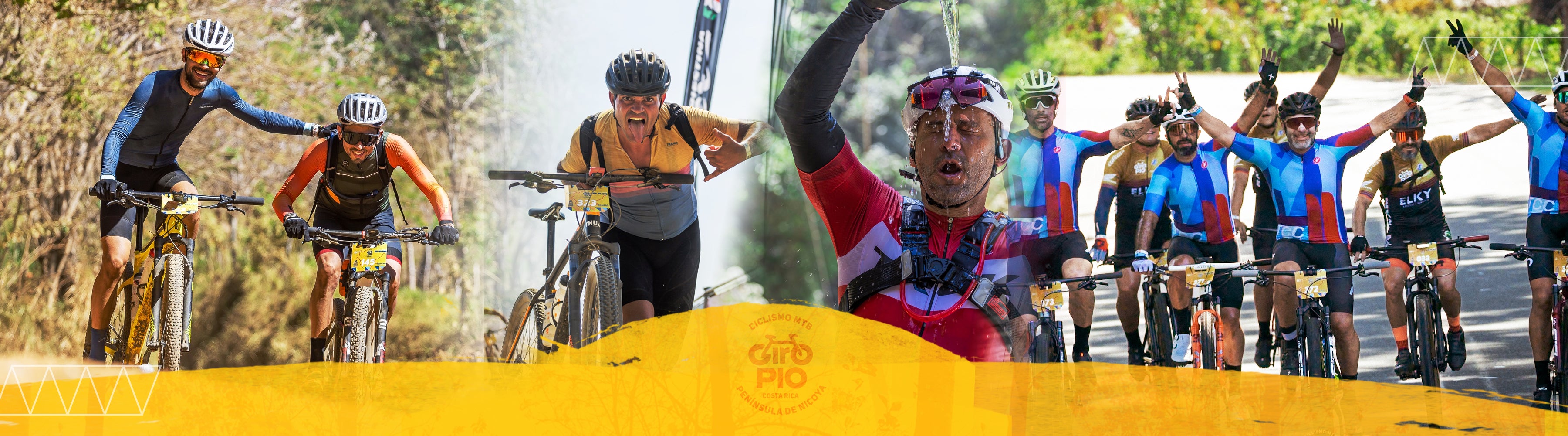
The GiroPio 2026 is more than just a cycling competition: it's a cultural and natural journey through one of the most magical corners of the planet, the southern Nicoya Peninsula in Costa Rica. In this Blue Zone, where longevity and community life are a global example, sport blends with nature, gastronomy, and tradition.
This year, the event will have a special format: two days of pure cycling celebration. Participants can choose to compete on both days or only on the second.
Day 1: Sunset Ride on the Peninsula
A short afternoon route, designed to celebrate and enjoy cycling at its best, accompanied by the unforgettable magical sunsets of the peninsula.
The first day is designed to experience cycling at its most magical, accompanied by the unforgettable sunsets of the Nicoya Peninsula. A short afternoon route, designed to celebrate and enjoy cycling at its finest.
The route begins at the Barceló Playa Tambor Hotel, continuing along the paved and gravel streets of the Cóbano district, in a journey that combines adventure and unique landscapes.
After a flat and fast journey, the trail leads us to the magical path of the Tree of God, where nature unfolds amidst the verdant landscape and the deep blue of the sea. The return to Tambor becomes an unparalleled spectacle as we enter the beach illuminated by fire, a symbol of welcome and celebration.
The day culminates with a festive welcome, accompanied by music, hydration and snacks, to share the experience and let ourselves be enveloped by the energy of the peninsula as evening falls, which will serve as an incentive for the rest necessary for the great challenge that awaits us in the queen stage of Day 2.
Day 2: The Great Challenge, with three available distances that can be covered by both MTB and GRAVEL, following the official route described below.
Departure: Hotel Barceló Tambor
The peloton sets off from the imposing Barceló Playa Tambor Hotel, a meeting point between modernity and nature. From here, the cyclists ride under the flight of the Scarlet Macaw, an emblematic bird of the peninsula that, thanks to the work of Asoprolapa, managed to survive and today multiplies in colorful flocks that crisscross the peninsula's sky.
The bay offers a serene landscape, with calm waters, forested mountains, and a golden sunrise that marks the beginning of the journey.
The Path of the Tree of God
The route continues along the famous Tree of God trail, a stretch of lush vegetation where the shade of centuries-old giants envelops cyclists. This spot serves as a reminder of the deep connection between the peninsula and conservation, where nature is the guardian of everyday life.
Cóbano: The Heart of the Peninsula
The road leads to the town of Cóbano, a center for services and commerce, but also a place where you can feel the authentic pulse of the peninsula. Here, among markets, local festivals, and the flavors of traditional cuisine—picadillo roosters, corn tortillas, and drip coffee—you can appreciate the rural essence of the Blue Zone.
Heading to the lowlands: Rivers and Valleys
From Cóbano, cyclists descend into the lowlands, seeking the cool waters of the Bongo and Ario Rivers. Along this stretch, the small town of Río Frío appears, with its simple houses and friendly people, representing the tranquil life of the peninsula's countryside.
The valleys wind their way through teak plantations and cattle ranches, a reminder that this region is not only about sea and surf, but also fertile land where rural life remains intact.
Guanacaste Peninsular: Road to the coast
The route enters the provincial border connecting Jicaral and San Francisco de Coyote, already in Guanacaste. The cyclists cross the Bongo and Ario rivers again, which display their power during the rainy season and become rocky crossings in the summer, adding an adventure to the race.
Saint Francis of Coyote
The GP26's passage through San Francisco de Coyote is one of the most picturesque sections of the route. This peaceful coastal town, surrounded by mountains and close to pristine beaches, welcomes the cyclists with an iconic image: a coyote statue in the town center, a symbol of local identity that seems to greet every rider who crosses its streets.
More than just a stopover, San Francisco de Coyote has established itself as a symbol of peninsular hospitality: a corner where tradition, nature and the spirit of GP26 intertwine to offer an authentic experience to both competitors and companions.
Manzanillo: Magic and Serenity
The sea reappears at the stunning Manzanillo Beach, one of the most tranquil gems of the Costa Rican Pacific. Light sands, gentle waves, and a pristine environment welcome the group. Here, serenity invites you to stop time, while artisanal fishermen continue a tradition passed down from generation to generation.
Santa Teresa: Surfing and Cosmopolitanism
The coastal road leads to Santa Teresa, a world-renowned surfing and yoga mecca. Among perfect waves, international restaurants, and unforgettable sunsets, locals and visitors from all over the world coexist, creating a unique cultural fusion reflected in its gastronomy, art, and healthy lifestyle.
Bad Country: The Hidden Corner
A few kilometers further south, Mal País retains its fishing village spirit and secluded beaches with tide pools and rock formations. It's an ideal spot for those seeking unspoiled nature, a perfect contrast to the vibrant energy of Santa Teresa.
Cabuya: Mystical, facing the Cabo Blanco Reserve
The route continues towards Cabuya, a magical town that protects Cemetery Island, which can be reached on foot at low tide. Surrounded by the Cabo Blanco Absolute Natural Reserve, this place reflects the spiritual connection that the people of the peninsula maintain with the land and the sea.
Montezuma: Waterfalls and Bohemia
The road climbs to Montezuma, a bohemian town famous for its three-tiered waterfalls that cascade through the jungle and into crystal-clear pools. Its vibrant cultural scene—with artisans, live music, and fusion cuisine—makes it a place where nature and art go hand in hand.
Return to Cóbano and arrival in Tambor
The route heads back towards Cóbano and from there back to Tambor Bay, where the finish line awaits at the Barceló Hotel. After a journey that blends beaches, mountains, towns, rivers, and culture, the cyclists complete a trip that is more than just a sporting event: it's a celebration of life on the peninsula in the Blue Zone.
GiroPio and the Latin American Sports Tourism Network
With this edition, GiroPio reaffirms the Nicoya Peninsula as a world-class destination for sustainable sports tourism, in partnership with the Latin American Sports Tourism Network promoted by the local government. Here, sport becomes a bridge between longevity, nature, hospitality, and culture.
The GiroPio 2026 will undoubtedly be an event where every pedal stroke will cover not only kilometers, but also centuries of history, customs and full life.
